

You know what’s the most unsporting thing about racing? You can do everything right for twenty years — and one day is enough for the desert to say, “thanks, goodbye.”
With Dakar 2026, Carlos Sainz Sr. really is leaving. Not “dropping off,” not “getting tired,” but actually closing a chapter — the very one he opened back in 2006, when he first went into the sand. He announced it in advance: this would be his last run. And importantly, he wasn’t just trying to “end on a pretty note.” He wanted to take Ford’s factory program into a real fight for victory — and for that he even pushed aside a completely different storyline: talk of a possible FIA presidency.
And it almost worked. Up to Stage 10, Sainz led with a cushion, looking like someone who refused to accept his passport.
And then — a small thing that makes everything inside you go cold in rally-raids: a navigation mistake, a miss past a control point, forty minutes gone. And everything built over weeks turns into “well, we tried.”
After that it was mathematically brutal: when your rival is Nasser Al-Attiyah, who knows how to win Dakar as if it’s his seasonal job, and you’re past the point of insane risks — catching up is almost impossible. In the end, Al-Attiyah took his sixth trophy, and Sainz closed out his desert career with four wins.
After the finish, he put it very grown-up: the speed was there, the machine was alive, but one day was enough to lose the chance. And then — a pause. “I need to process everything.” Not just the career. Everything.
And here you don’t just want to wave goodbye to a legend — you want to understand the scale. So this isn’t a “dry biography,” but 25 strokes that explain why Sainz Sr. is a rare kind of figure.
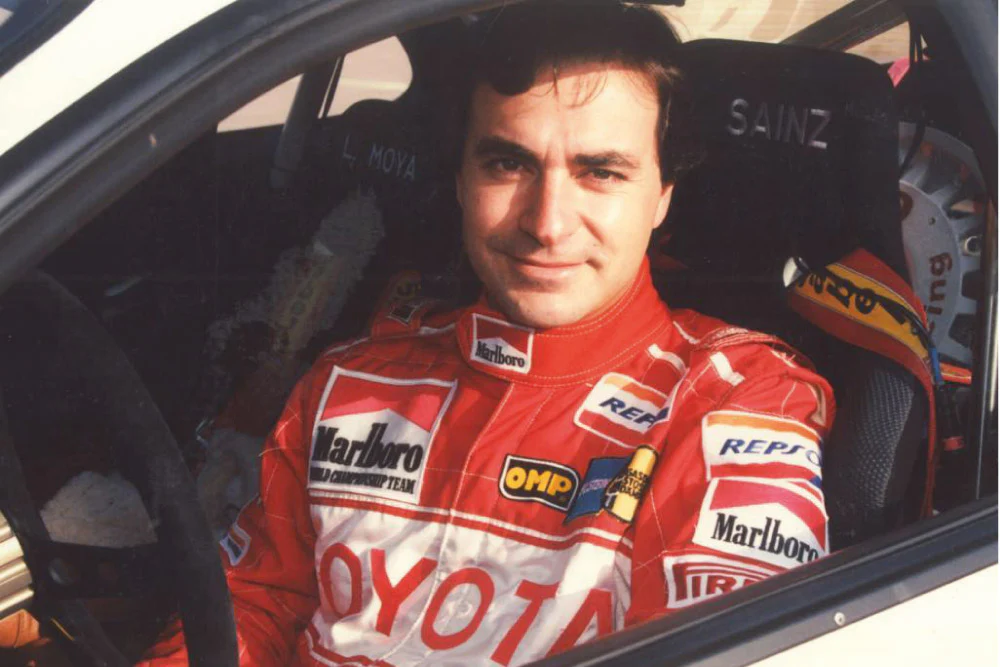
25 facts about Sainz Sr.: to feel what kind of person he is
A childhood where character was assembled like a construction set
-
Racing wasn’t the first love. At 7, he was sent to tennis. Then came boxing, track and field, and squash.
-
Squash wasn’t a “hobby,” but the real thing. He finished runner-up in Spanish championships, and at 16 he actually won a national title.
-
Football was in the mix, too. He had a tryout with Real Madrid — but it didn’t work out: he wanted to combine sports, and he was being pulled more and more toward racing.
-
Even so, he never let Real Madrid go. In 2006 he even tried to run for club president (his application wasn’t accepted), and in 2020 he was included on the list of honorary members.
-
The first “car magic” came at 11. His sister sat him on her lap at the wheel of a Seat 600 and let him “steer.” He later admitted: from that moment on, his thoughts kept returning to racing.
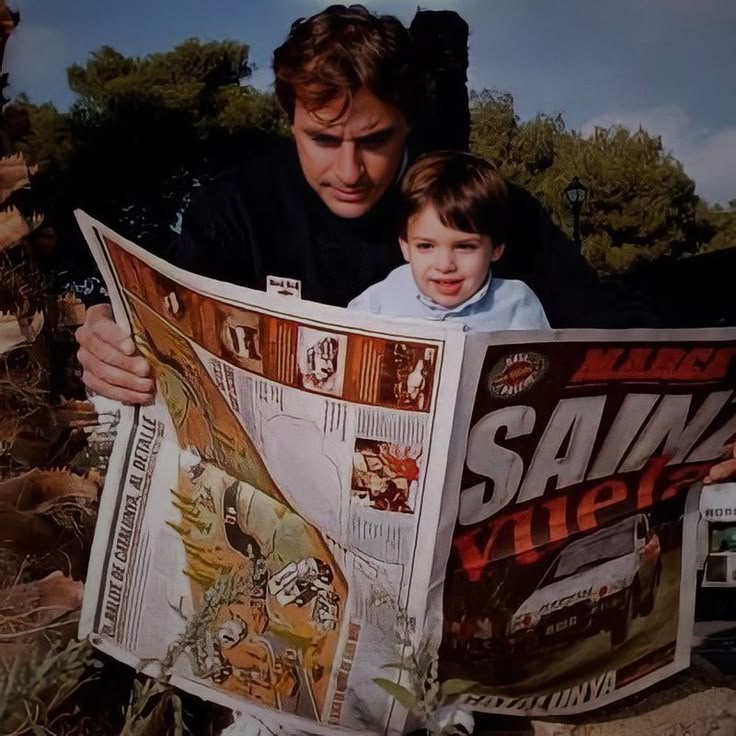
Early gambles and fast growth
-
A major influence came from his brother. Lucas was the national champion in 1971 in an Alpine A110. And that, essentially, became “permission to dream seriously.”
-
He started in motocross. At 16 he got a Montesa Capra 125, trained in mud and gravel, but his parents wouldn’t let him race until he came of age.
-
And he… forged his father’s signature. At 17, to enter a race, he arranged a license with “permission.” That’s how he made his competition debut.
-
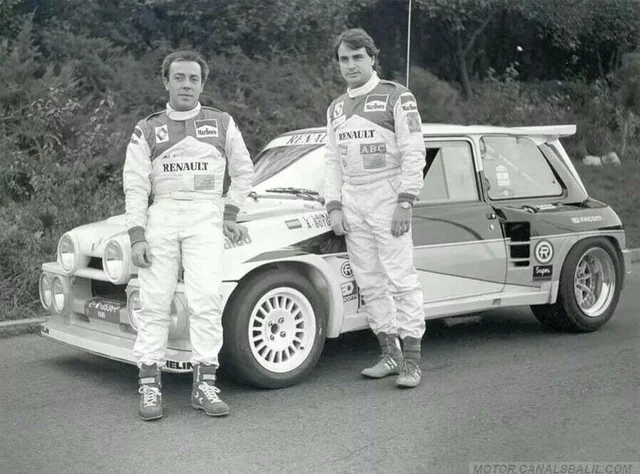
His first start on four wheels came with a story. After turning 18, his father gave him a Renault 5, and then Carlos and a friend/co-driver built it up in a garage into “race-ready” form. Result: he won a special stage and finished second in class.
-
He tried his hand in “formula” cars, too. In 1984 he raced in Formula Ford F2000 — but without a breakthrough. Together they decided: his territory was still rallying.
WRC: when a Spaniard breaks “geographical laws”
-
He burst into world rallying quickly. His WRC debut was Rally Portugal 1987: he won the very first special stage (yes, again), even though he didn’t finish the rally.
-
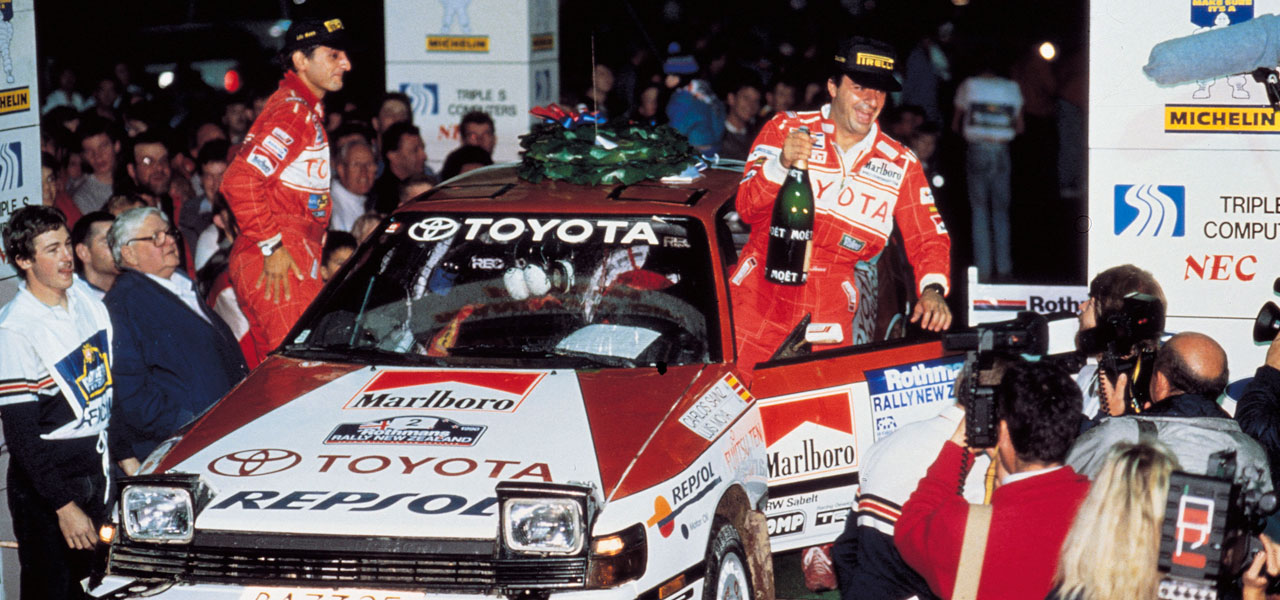
1990: he did what was considered “not for southerners.” Sainz became the first driver from outside Northern Europe to win Rally Finland (an event held since 1951).
-
His strength was versatility. He was equally fast on snow, asphalt, and gravel — in an era when it was normal to split drivers by their “home surface.”
-
Two world championship titles. 1990 and 1992.
-
Numbers that stayed a benchmark for a long time: 26 WRC wins, 97 podiums, 196 starts — and nearly half of his finishes in the top three.
“El Matador” is more than a nickname
-
He was obsessed with details. Engineers called him one of the best test drivers: he could “feel” a car and refine the setup to near perfection.
-
He didn’t win only in rallying. Early in his career he took Renault one-make cup titles, and in 2011 he won a class at the 24 Hours of Nürburgring in a VW Scirocco.
-
In 2020 he was voted “the greatest rally driver in history” in a WRC poll. Yes, Loeb, Ogier, and McRae were there — but Sainz won.
-
He has his own “school.” A team for young Spanish drivers that was launched with Ford back in 2000 eventually became his project. Among its “graduates” are Dani Sordo and Jan Solans, plus a whole spread of Spanish champions.
-
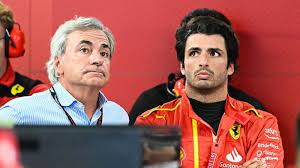
His son is a legend of his own: Carlos Sainz Jr. — Formula 1, nearly every top team over his career, and four Grand Prix wins.
The desert: where he became a symbol of an era
-
He entered Dakar in 2006 and didn’t let it go for 20 years. Not as occasional “side quests,” but as a personal life project.
-
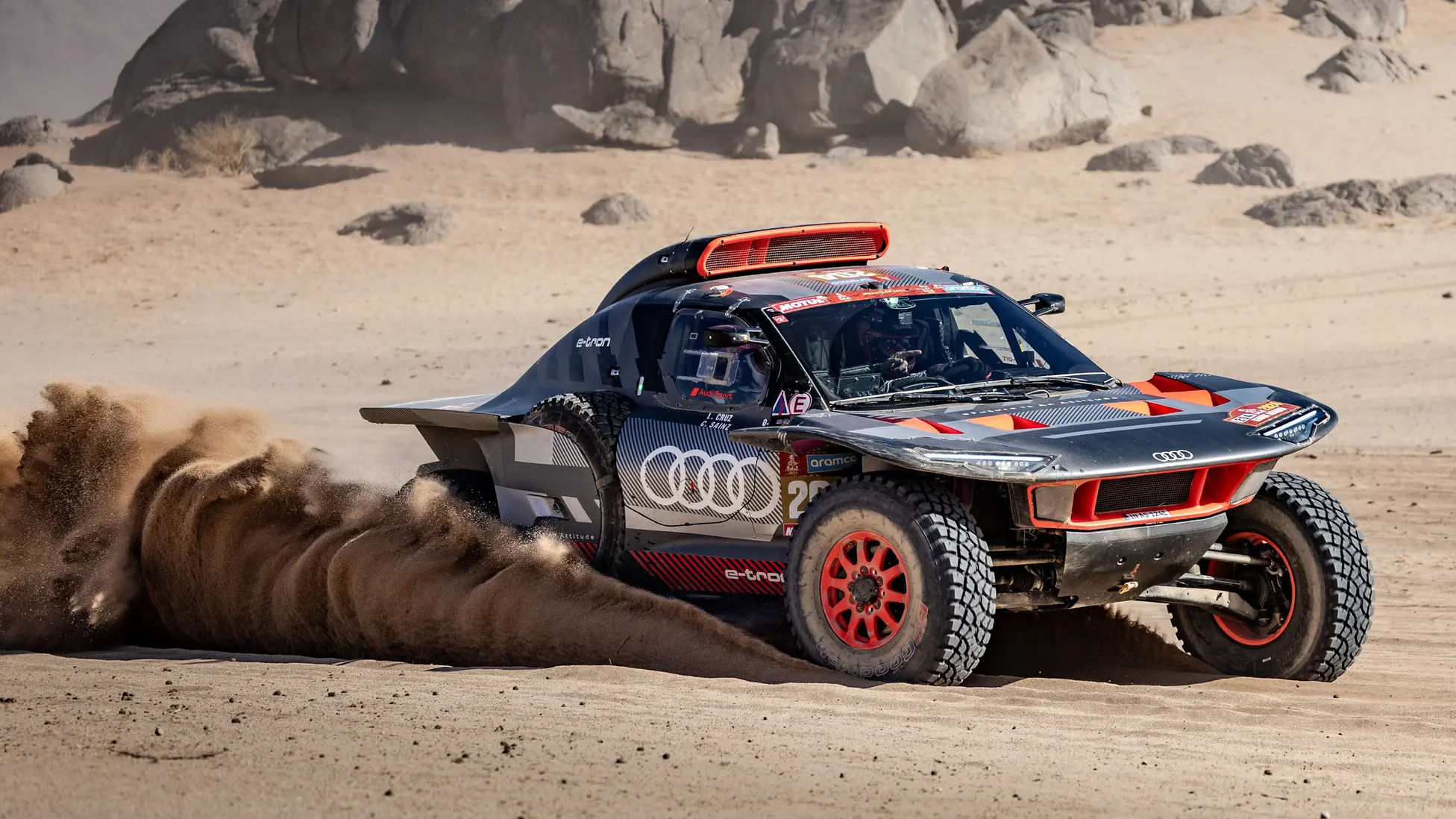
He won Dakar with four different manufacturers: Volkswagen, Peugeot, Mini, Audi — a unique line (Al-Attiyah has only just matched that on this point).
-
The 2024 win at 61 was a record: the oldest Dakar winner. It’s not just “a nice story,” it’s almost a challenge to physiology.
-
Injuries piled up, but he kept going anyway. There were serious crashes and damage in different years — and it was after a heavy hit at Dakar 2025 that he finally decided: “one last time — and that’s it.”
-
The final attempt at 63 was real. In 2026 he led through Stage 10 — and lost everything because of a navigation error. A too-rally ending for a man who spent his whole life proving that control was his superpower.
What remains after him
Sainz Sr. has a rare quality: he knew how to stay modern in any era. In WRC, where everything was decided by “surface schools.” In Dakar, where patience and brainpower decide. In his 60s, when most people are already telling stories — and he’s still fighting for wins.
And now the intrigue is simple and very human: what does he do without the desert? Motorsport politics? An academy? Wine? Football?
It seems he doesn’t know yet, either. But after a “final dance” like that, it’s probably the only honest reaction: first exhale. Then decide.